
Sweat-Resistant Sports Earbuds OEM Program
A water-resistance rating alone does not resolve sweat-related field failures. Sports projects should evaluate charging-contact corrosion, salt residue, enclosure sealing, drainage, cleaning instructions and post-exercise charging behavior on the final product construction.
Charging contacts
Residue and trapped moisture can interfere with charging or accelerate corrosion after exercise.
Materials, sealing and drainage
Contact plating, enclosure joints and case geometry should be reviewed as one system.
Define care and warranty
Cleaning, drying and charging instructions must be practical and consistent with the supported claim.
Durability specification for supplier inquiry
| Decision area | Supplier question | Approval evidence |
|---|---|---|
| Charging contacts | What contact material, plating and geometry are used? | Material specification and post-exposure charging check |
| Enclosure | How are seams, microphones, controls and acoustic openings protected? | Construction review and model-specific water-resistance evidence |
| Case design | Can moisture collect around the charging pins or earbud wells? | Drainage, drying and repeated-use evaluation |
| Sweat exposure | Which repeatable exposure and recovery conditions can the supplier document? | Agreed protocol, observations and retained samples |
| Care instructions | How should users clean, dry and store the product before charging? | Manual copy verified against the approved construction |
Sports-earbud validation workflow
Map the failure route
Identify exposed contacts, seams, vents, microphones and moisture-trapping areas.
Define repeatable conditions
Agree the exposure, recovery, cleaning, drying and charging sequence before comparison.
Inspect function and surfaces
Track charging behavior, connection, audio, microphones, controls, residue and visible corrosion.
Lock the production build
Record plating, sealing, adhesives, firmware, instructions and change-control requirements.
Relevant sports and open-ear starting points
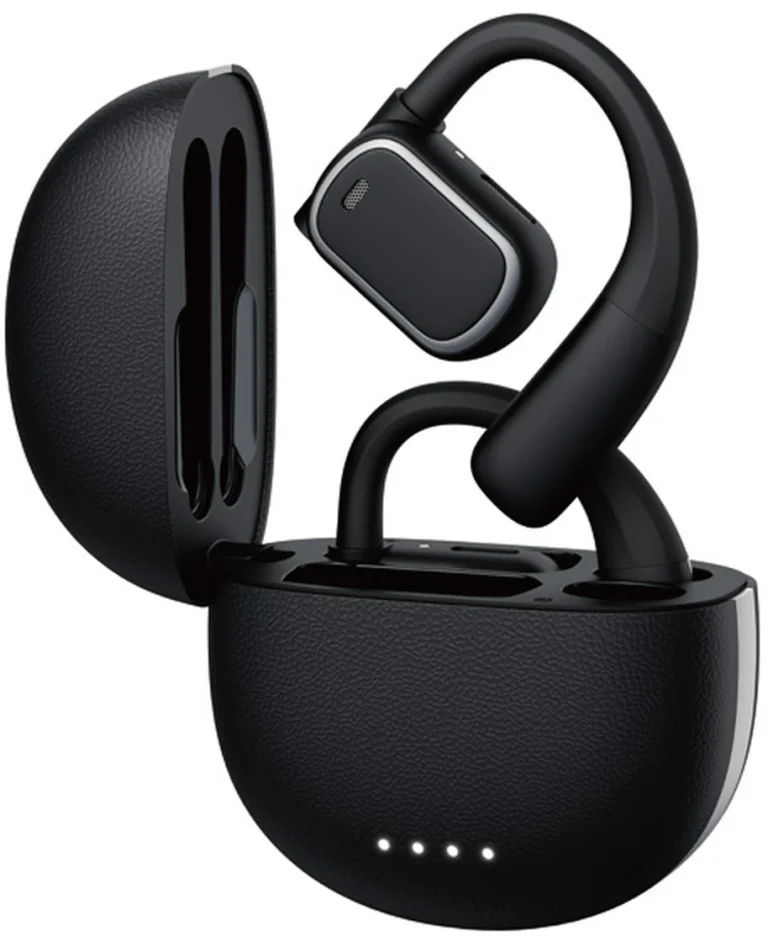
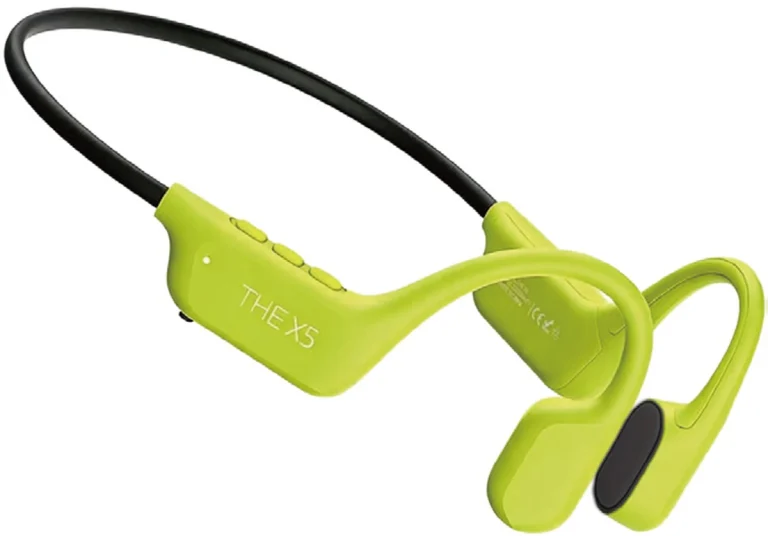
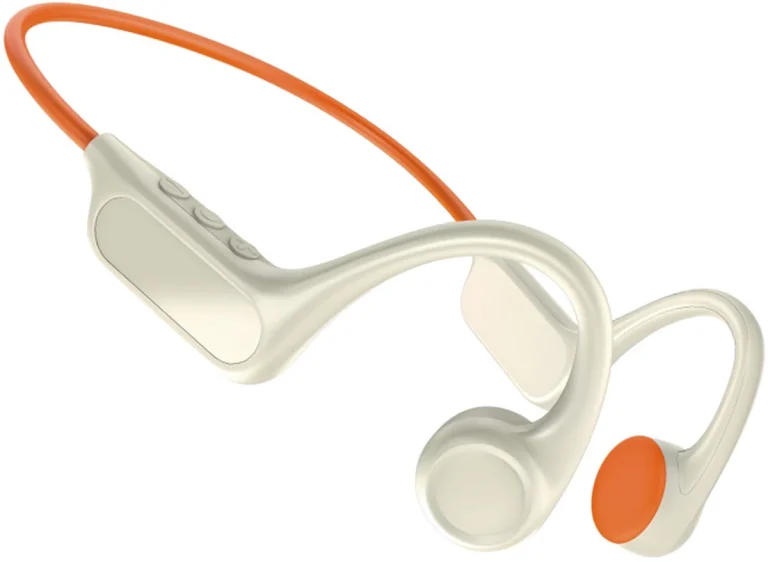
Open-ear earhook, bone-conduction and selected TWS platforms may be screened for the program. They are not described as corrosion-proof without the required final-build evidence.
Buyer questions
Does IPX7 or IPX8 prove resistance to sweat corrosion?
No. Water-ingress evidence and long-term corrosion behavior address different risks. Review the exact product construction, exposure conditions, charging contacts and care route.
Can the page promise “sweatproof”?
Only when the intended wording is supported by appropriate evidence for the final production configuration. Otherwise use qualified language and state the required care conditions.
Build the sports program around the field-failure route
Send the activity, climate, wearing format, target claim, quantity, market and warranty expectation. MAXENTROP will use the brief to compare candidate platforms and identify the evidence still required.
Direct answers before you request a quote
Does an IP rating prove resistance to sweat corrosion?
No. Water-ingress evidence and long-term corrosion behavior address different risks. Review contacts, materials, residue, drainage, cleaning and drying on the final product.
Which areas should a sports-earbud project inspect?
Inspect charging contacts, microphone and acoustic openings, enclosure joints, earbud wells, drainage paths and the user-care route.
Can every water-resistant model be called sweatproof?
No. Claim wording must match the final construction, documented conditions and supported care instructions.
Reviewed November 2026 by the MAXENTROP editorial team. Product and commercial facts remain subject to model-specific confirmation. Editorial policy · Evidence status