
ANC Earbuds OEM & Noise-Control Product Programs
Build an ANC earbud project around verified architecture and real sample performance. MAXENTROP helps buyers separate listener-side ANC from call-side ENC and qualify the model-specific evidence behind each claim.
Listener-side noise control
Feedforward, feedback and hybrid architectures are not interchangeable and must be confirmed by model.
Call-side microphone processing
ENC commonly describes microphone processing; it should not be presented as active noise cancellation for the listener.
Test before marketing
Attenuation, microphones, battery and modes should be tied to the approved sample and written specification.
Use precise ANC and ENC language
ANC is intended to reduce environmental sound heard by the listener. ENC usually refers to processing applied to voice pickup during calls. A product may support one, both or neither. Buyer-facing pages should explain the distinction rather than treating the acronyms as interchangeable.
Before using hybrid ANC or a specific decibel figure, request the topology, test method, frequency range and report that applies to the selected hardware and firmware.
- Confirm feedforward, feedback or hybrid topology
- Request attenuation evidence and test conditions
- Check transparency or ambient mode behavior
- Review ANC-on battery performance separately
Qualify calls, comfort and commercial configuration
Noise-control products are frequently used for travel and calls. The sample review should include microphone recordings, fit consistency, pressure sensation, wind behavior, mode switching and voice prompts. Packaging and manuals should use claims supported by the final configuration.
Destination-market radio, substance, battery and labeling files remain model-specific and should be matched before order approval.
- Quiet, street and wind call recordings
- Mode switching and default-state review
- Battery results with ANC on and off
- Model-specific document and labeling check
ANC and ENC verification checklist
| Decision point | What the buyer should confirm | Why it matters |
|---|---|---|
| ANC topology | Feedforward, feedback or hybrid configuration | The architecture affects cost and performance. |
| Attenuation | Report, frequency range, fixture and firmware version | A single unsupported dB number is not sufficient. |
| ENC calls | Microphone layout and real call recordings | Algorithms and placement both affect pickup. |
| Battery | Playback conditions for ANC on, ANC off and calls | Different modes produce different results. |
Relevant product platforms
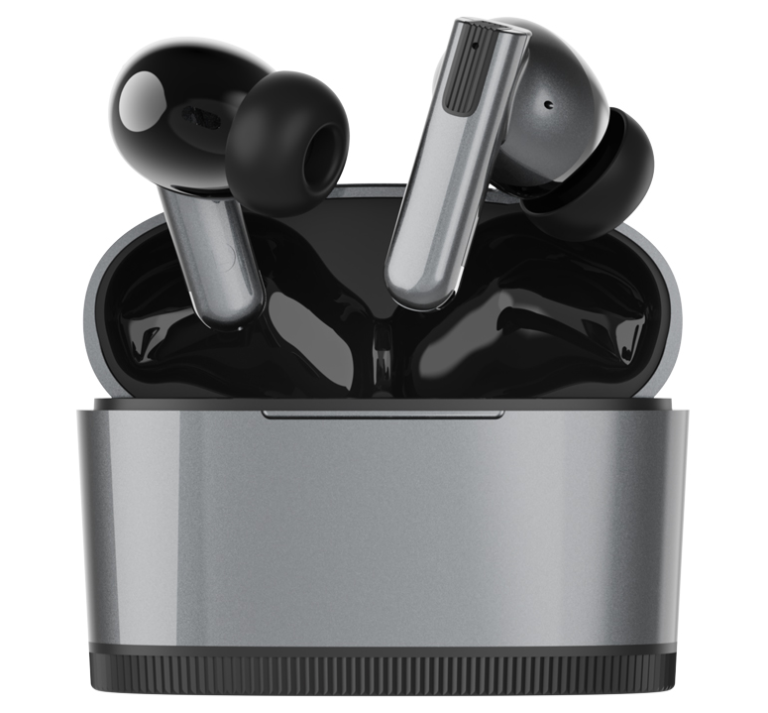
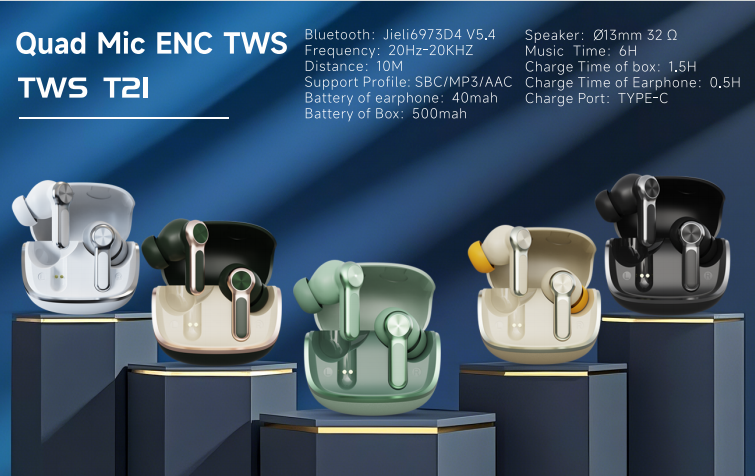
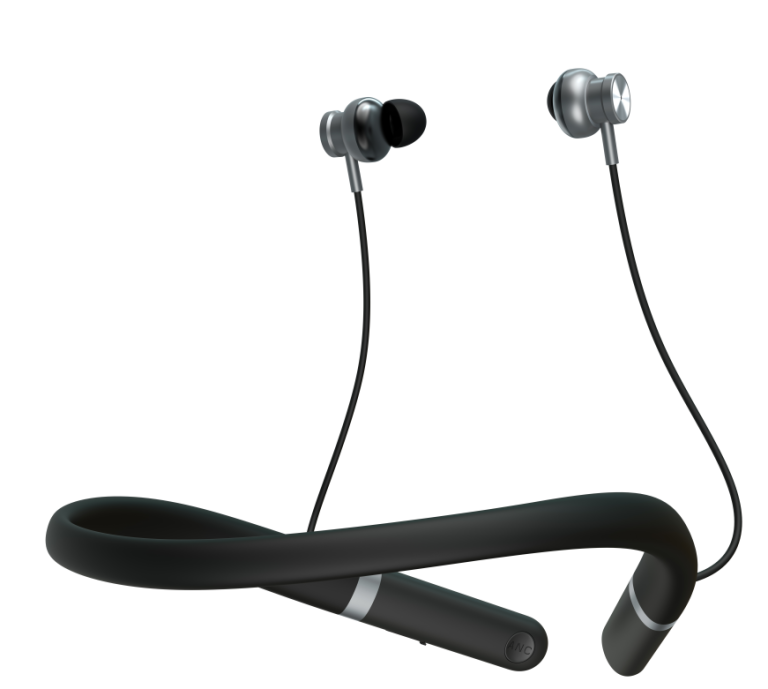
The products below are starting points for discussion. Final specifications, claims, MOQ, documents and production route are confirmed for the selected model.
Questions to resolve before quotation
What is the difference between ANC and ENC?
ANC addresses noise heard by the listener; ENC commonly describes microphone-side processing intended to improve call pickup. The terms are not interchangeable.
Does every ANC model use hybrid ANC?
No. Feedforward, feedback and hybrid architectures differ. The topology and measured performance must be confirmed for each model.
Request an evidence-led ANC project review
Share the target price, market, required ANC architecture, call environment, quantity and compliance expectations. We can identify suitable platforms and the claims that still require verification.
Direct answers before you request a quote
What is the difference between ANC and ENC?
ANC addresses noise heard by the listener; ENC commonly describes microphone-side processing intended to improve call pickup. The terms are not interchangeable.
Does every ANC model use hybrid ANC?
No. Feedforward, feedback and hybrid architectures differ. The topology and measured performance must be confirmed for each model.
Reviewed November 2026 by the MAXENTROP editorial team. Product and commercial facts remain subject to model-specific confirmation. Editorial policy · Evidence status