
Small-Ear Fit Earbuds OEM Program
Small-ear and secure-fit projects require more than a smaller colorway. Housing volume, nozzle length, contact geometry, total weight, ear-tip range and control placement must work together for users who find standard earbuds loose, painful or unstable.
Loose or painful fit
Large housings, long nozzles or unsuitable contact points can cause instability and pressure.
Compact geometry
Reduce the parts that contact the concha or ear canal without compromising controls and battery safety.
Test multiple ear shapes
One wearer and one ear-tip size cannot support a broad fit claim.
Target specification and inquiry checklist
| Decision area | Target direction | What to verify |
|---|---|---|
| Housing | Compact body with controlled contact area and low protrusion | Dimensions, weight and worn-position photos |
| Nozzle and ear tips | Short, stable interface with an inclusive size range | Tip dimensions, retention and pressure across users |
| Retention | Stable during walking, commuting and light exercise | Movement protocol and adjustment frequency |
| Controls | Usable without pushing the earbud deeper into the ear | Touch force, false touches and control access |
| Open-ear alternative | Clip geometry considered when an in-canal route is unsuitable | Clamp pressure, stability, sound leakage and ear-shape coverage |
How buyers should compare fit samples
- Recruit users with different ear shapes rather than relying on one internal reviewer.
- Use the same activities and evaluation period for each candidate.
- Record pressure, loosening, adjustment frequency, control access and left-right differences.
- Keep in-ear and open-ear results separate; they solve the fit problem differently.
- Do not publish a universal-fit, women-specific or small-ear claim until the sample evidence supports the wording.
Relevant starting points—not confirmed small-ear models
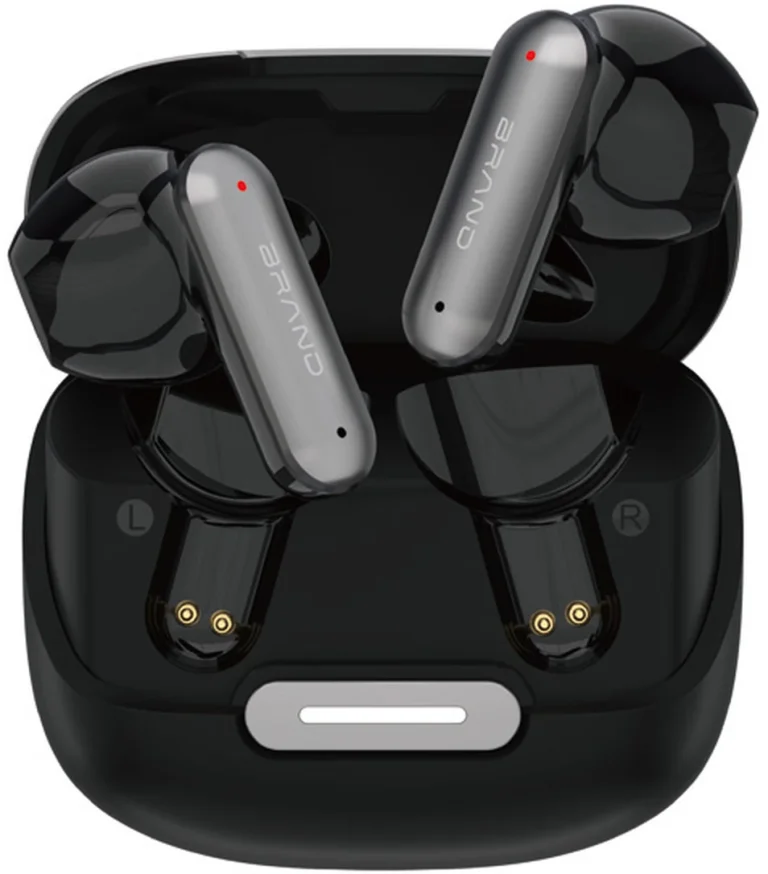
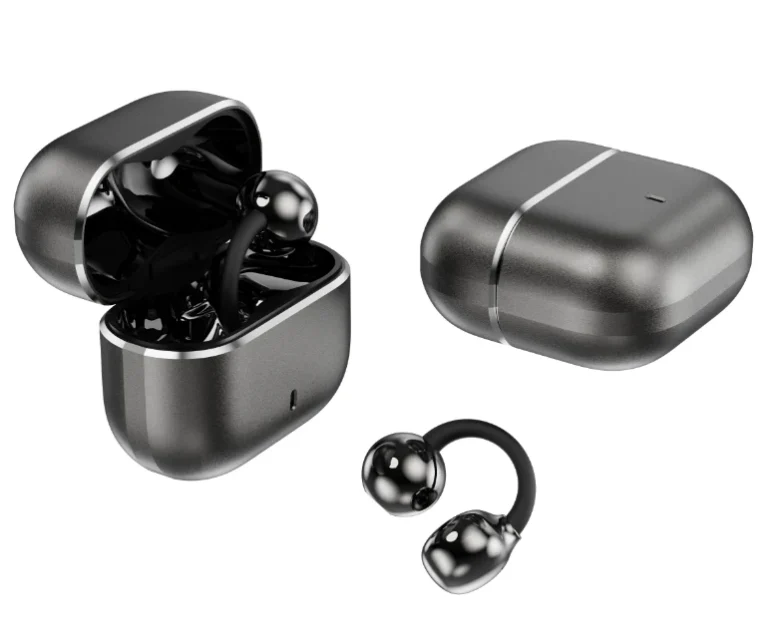
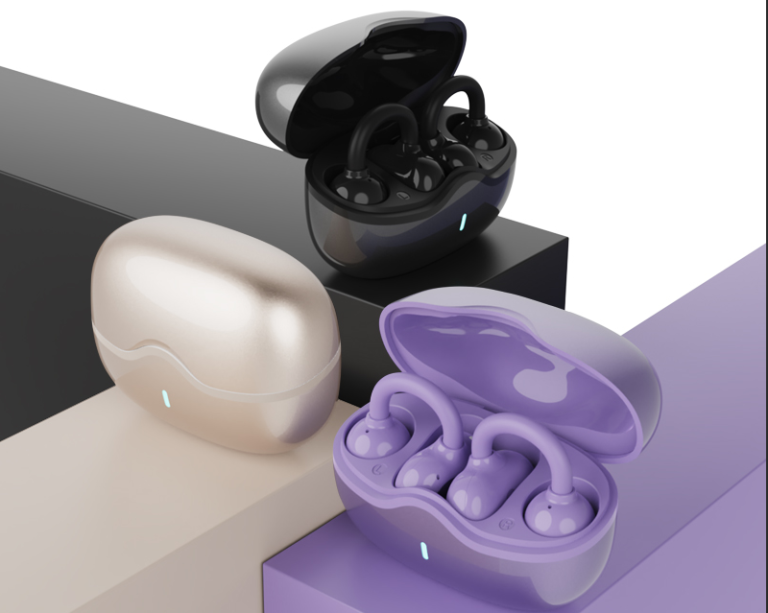
Compact TWS and open-ear clip platforms may be screened against this brief. The products below are comparison starting points only; their fit status must be established through sample evaluation.
Buyer questions
Can a product be marketed for women because it is smaller or available in feminine colors?
No. Color is not fit evidence. Use measured geometry and an appropriate user evaluation before making a fit-led claim.
Should the solution be in-ear or open-ear?
That depends on the brief. In-ear products require nozzle and tip compatibility; open-ear clips shift the challenge to clamp pressure, stability and leakage.
Start with ear geometry and use scenario
Send the intended user group, preferred wearing format, activities, quantity, market and customization requirements. MAXENTROP will screen candidate constructions against the fit brief.
Direct answers before you request a quote
What makes an earbud suitable for smaller ears?
Housing dimensions, nozzle geometry, ear-tip range, weight, contact points, controls and retention should be evaluated together across the intended user group.
Does a smaller case or different color prove small-ear fit?
No. Cosmetic size and color are not fit evidence. Use measured geometry and consistent multi-user sample evaluation.
Can open-ear clips solve the same problem?
They can be an alternative for some users, but clamp pressure, stability, leakage and ear-shape coverage still require separate evaluation.
Reviewed November 2026 by the MAXENTROP editorial team. Product and commercial facts remain subject to model-specific confirmation. Editorial policy · Evidence status